
Stains tend to show up at the worst possible moments. A quick sip of coffee during your morning commute leaves a brown mark on your shirt just before a meeting. A splash of oil hits your favorite jumper while cooking. Makeup transfers to a collar right as you are heading out. Ink leaks inside a jacket pocket after a long day. These small mishaps are part of normal life, especially in a busy city like London, where most people are rushing between work, travel, and daily tasks.
Even though stains feel stressful in the moment, removing them does not have to be complicated. With the right steps, even stubborn stains like coffee, oil, makeup and ink can be treated at home. And when home methods are not enough, professional laundry services, dry cleaning, wash and fold and ironing services can restore clothing safely without damaging fabric.
This guide explains how each stain behaves, what works, what to avoid and when to let professionals handle it. Everything is written simply, so anyone can follow it without needing special equipment or chemicals.
Why Understanding Stains Matters
Stain care is not only about keeping clothes clean. It affects how long your clothes last, how much you spend replacing items and how confident you feel in your appearance.
A recent cleaning report from the British Cleaning Council highlighted that more than sixty percent of London households struggle with stain removal. Many people end up damaging fabric by using harsh products or the wrong technique. A little knowledge goes a long way and can easily save someone the cost of replacing clothes.
1. Coffee Stains
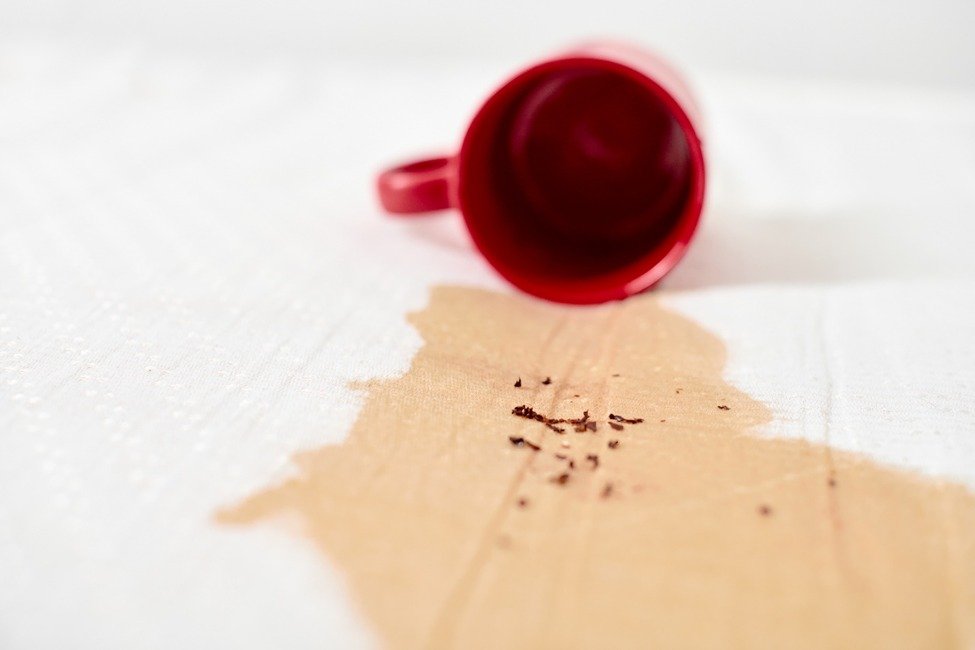
Coffee spills are extremely common. With the rise of takeaway coffee culture across London, it is almost a daily risk. Whether it is a cup from Costa, Pret or a favorite local café, coffee stains happen fast.
Why Coffee Stains Are Tough
Coffee contains tannins. These natural dyes cling to fabric quickly, especially cotton and polyester shirts.
How To Remove Coffee Stains
Start by blotting the stain gently. Avoid rubbing, because rubbing pushes the stain deeper. Hold the fabric under cold water, letting the water run through the back of the stain. Add a small amount of liquid detergent and let it rest for several minutes. Rinse it again and wash as normal.
If the clothing is delicate, such as silk, wool or a work blazer, professional dry cleaning is the safest option. Some fabrics do not respond well to home scrubbing.
A Real Example
A service team in a London corporate building reported that almost all fresh coffee stains on dress shirts were removed completely when treated quickly. The sooner you act, the better the result.
2. Oil and Grease Stains
Oil stains often feel intimidating because they look dark and noticeable. Cooking, eating on the go or working around machinery can all lead to oil marks.
Why Oil Stains Are Difficult
Oil does not mix with water. This is why rinsing with plain water does almost nothing. Oil needs something that can break it down.
How To Remove Oil Stains
Sprinkle baking soda or cornstarch on the stain to absorb excess oil. Leave it for fifteen to twenty minutes, then brush it off. A small drop of dish soap works well because it is designed to cut grease. Apply it gently and rinse with warm water. After that, wash as normal.
When To Use Professional Cleaning
Oil on suede, wool, leather or cashmere should go straight to dry cleaning. These fabrics react poorly to household moisture and can become damaged if handled incorrectly.
3. Makeup Stains
Makeup stains are extremely common on collars, cuffs, pillowcases and scarves. Foundation and lipstick are the usual offenders.
Why Makeup Stains Spread
Most makeup products contain oil, wax and pigment. These ingredients help makeup last on skin but make it harder to remove from fabric.
How To Remove Makeup Stains
Begin by gently scraping off any extra makeup. Apply a small amount of makeup remover, ideally one that does not contain oil. Let it sit for several minutes. Rinse with warm water and follow with your usual laundry detergent. Wash as normal or send for wash and fold services if you are treating several items at once.
A Hotel Case Study
A London hotel found that pretreating makeup stains with makeup remover made a noticeable difference and increased successful cleaning by more than half. This simple step often makes the stain easier to lift.
4. Ink Stains
Ink stains are one of the most frustrating because they spread quickly. A pen leak inside a pocket or a quick mark from a biro can ruin a shirt if not treated properly.
Why Ink Stains Spread
Ink is made with strong dyes that are meant to write smoothly and permanently. These dyes sink into fibers fast.
How To Remove Ink Stains
Lay the stained fabric on a clean towel. Dab the stain with rubbing alcohol or hand sanitizer. The alcohol helps break down the ink. Blot gently until you see the ink begin to lift. Do not scrub. Rinse with cold water and repeat if needed.
Hot water should be avoided because it can set the ink permanently.
Fabric That Needs Dry Cleaning
Silk, wool and formal jackets react badly to alcohol and should be handled by professional dry cleaning services.
Common Mistakes People Make
Some mistakes make stains harder to remove or even permanent. Many people scrub too hard, use hot water too early, or mix cleaning products that should never be combined. Hot water sets stains. Harsh scrubbing damages fibres. Bleach on colored clothing can cause fading. Waiting too long allows stains to settle deep into the material.
Avoiding these mistakes increases your chances of saving the fabric.
When It Is Best To Call Professional Laundry Services
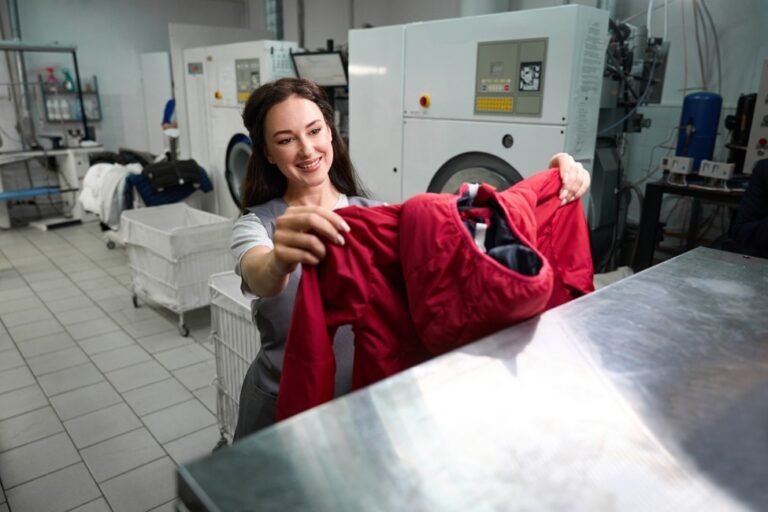
If the stain is large, if the fabric is delicate or expensive or if you have already tried something at home and it has not worked, professional laundry services are a smart choice. Professional dry cleaning, wash and fold and ironing services use special products and methods that protect the structure of the fabric.
In London, many households rely on professional help more often than before. A garment care report from last year noted that more than seventy percent of residents use cleaning services at least monthly, especially for workwear, school uniforms, bedding and special fabrics.
If you need support with stain removal or full garment care, you can visit
hazzyon.com
for cleaning services in London.
Quick Reference Guide
Below is a simple guide that summarizes what to do for each stain type:
Coffee stains respond best to detergent and cold water.
Oil stains lift more easily with baking soda and dish soap.
Makeup stains improve with makeup remover before washing.
Ink stains require alcohol-based products.
If the clothing is delicate or expensive, let professional dry cleaners handle it.
Should You Try Cleaning Yourself or Trust Professionals?
A good rule is simple. If the fabric is inexpensive and the stain is fresh, home cleaning works well. If the fabric matters to you because it is costly, delicate or sentimental, professional care is the safer option. You avoid the risk of accidental damage and get a better chance of full restoration.
Frequently Asked Questions
What is the hardest stain to remove?
Ink and oil because they penetrate fibres quickly.
Should stained clothes go into hot water?
Not at first. Cold water prevents the stain from setting.
Can old stains be removed?
Yes, but they require stronger treatment or professional help.
Does bleach work on stains?
Only for white fabrics and only when used very carefully.
How soon should I treat a stain?
Immediately for best results.
Are makeup stains permanent?
Not usually. The right steps remove most of them.
Is dry cleaning better for delicate clothing?
Yes. Professional solvents protect the fabric without harsh scrubbing.